
Reviewed · HISTORICAL TOURS
Football tour: Red Star and Partizan Ultras History
Football shapes Belgrade’s streets. This tour links fierce rivalries, old graffiti, stadium rituals, and Serbia’s football story in one lively morning. I like the way it combines neighborhood walks with access to both major clubs, and I especially like the chance to see Red Star’s 1991 European Cup trophy. The guides, including Andrija and Tihomir, add real local feeling rather than simply pointing at buildings.
The main consideration is pace. You cover Dorcol, Senjak, Red Star’s stadium, and Partizan’s stadium in about three to four hours, so the day includes plenty of walking and a fairly full schedule. Stadium access can also vary, with pitch and conference-room visits available in some cases but not promised to every group.
In This Review
- Key points to know before booking
- Why this Belgrade football tour is different
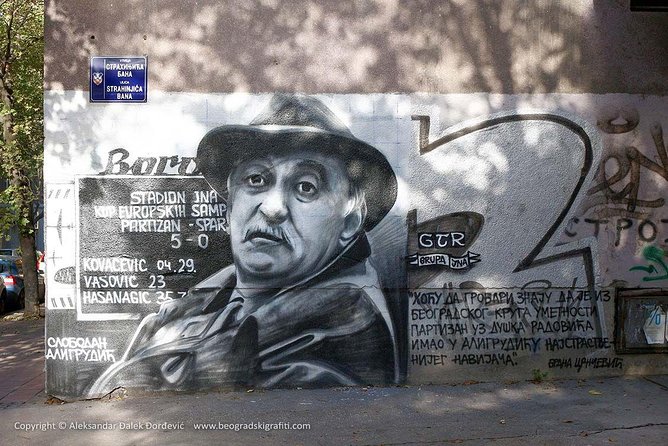
- Dorcol, where Partizan support fills the walls
- Senjak and the oldest Red Star graffiti
- Inside Red Star’s Marakana stadium
- Partizan Stadium and a walk onto the pitch
- What the guides add to the experience
- Is $84.21 good value?
- Who should book this experience?
- Booking and cancellation advice
- Should you book the Red Star and Partizan tour?
- FAQ
- Where does the football tour start?
- What time does the tour begin?
- Where does the tour end?
- How long does the tour last?
- Which neighborhoods are included?
- Which stadiums are included?
- Is the Red Star museum included?
- Is cancellation free?
Key points to know before booking
- Red Star’s 1991 European Cup trophy: The stadium museum displays the prize won by one of only two Eastern European clubs to claim it.
- Dorcol’s Partizan identity: You walk through a central district filled with supporter graffiti, bars, and pubs.
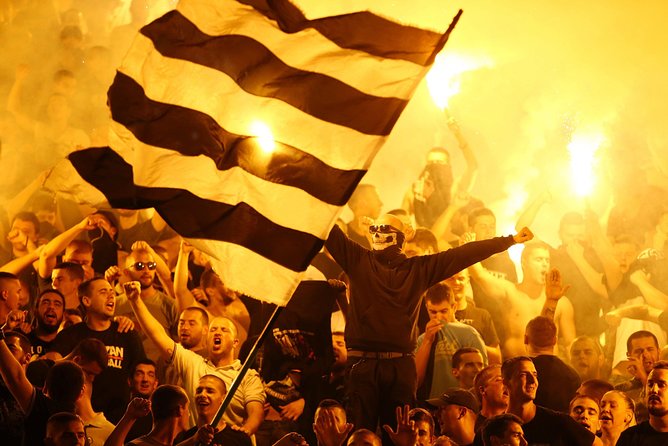
- Senjak’s guarded Red Star graffiti: The neighborhood contains some of Belgrade’s oldest football murals, dating from the 1990s.
- Two stadiums in one morning: You visit Red Star’s Marakana and Partizan Stadium, with a chance to walk onto the Partizan pitch.
- A guide-led look at fan culture: The tour explains how football loyalties connect with neighborhoods and Serbian society.
- Useful for football fans and curious visitors: You get more than a stadium tour, but the subject is strongly focused on ultras culture.
Why this Belgrade football tour is different
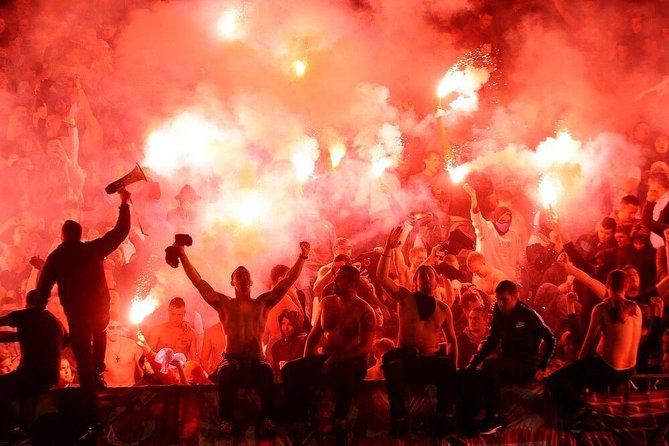
Many stadium visits stop at seats, dressing rooms, and a few old shirts. This experience begins outside the grounds, in the districts where football identity appears on walls and in local streets. That gives you a better sense of how Red Star and Partizan are linked to daily life in Belgrade.
You are not just learning which club won which match. You are seeing how supporters mark territory, remember important figures, and build a shared identity through murals and neighborhood loyalties. The guide walks with you and explains the rivalry in person, which makes the subject easier to follow than a museum display alone.
I would choose this tour if you want football treated as part of culture, not only sport. It is also a useful introduction to Belgrade itself because Dorcol and Senjak feel different from one another, and the route connects central streets with the city’s major football grounds.
The tour is offered in English and begins at 10:00 am at Student Park, at Studentski trg 16. It finishes back at the same meeting point. The advertised price is $84.21 per person, and group discounts are available.
More Historical Tours in Belgrade:
- A Crash Course through Serbian History
★ 5.0 · 58 reviews - History and Culture in my Belgrade
★ 5.0 · 41 reviews - NATO Bombing of Belgrade Historical Tour
★ 5.0 · 17 reviews
Dorcol, where Partizan support fills the walls
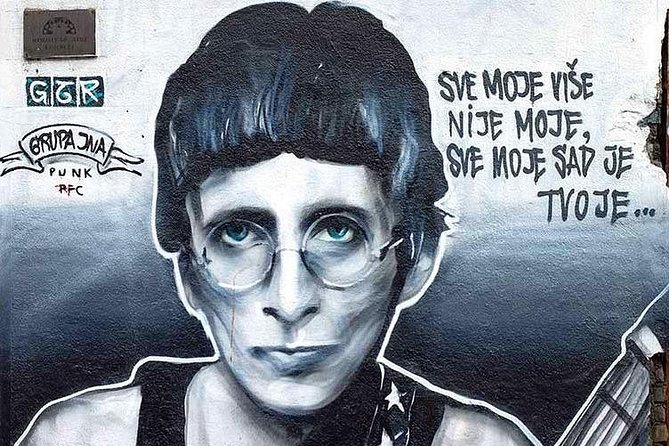
The first substantial stop is Dorcol, a central Belgrade neighborhood associated with Partizan supporters. You spend about an hour here, walking past well-known graffiti dedicated to players, supporters, and the club’s wider culture.
This is a good opening because it puts football into a real neighborhood. Dorcol is not presented as an isolated sports site. It is also a popular district with bars, pubs, and attractive older streets, so the walk has interest even for someone who is not able to name every Partizan player.
The murals are the main attraction. They give you a visual guide to the passions surrounding the club, while the guide explains what the images mean and how supporter groups fit into Belgrade football. The focus is on the ultras, often fierce and highly organized groups whose symbols and loyalties are plainly visible around the city.
I like this part because it slows the morning down. You have time to look at the walls and ask questions instead of rushing from one photo stop to another. If you are interested in street art, local politics, or the way sports shape neighborhoods, Dorcol may be as rewarding as the stadium visits.
There is a practical catch. This is a walking section, and the experience depends on being comfortable outdoors for roughly an hour. Admission is free, but the value comes from the guide’s explanation, not from a ticketed attraction.
Senjak and the oldest Red Star graffiti
The route then moves to Senjak, the district linked with Red Star supporters. The stop lasts about 20 minutes, making it shorter than Dorcol, but its subject is especially striking: old Red Star graffiti from the 1990s.
The murals are described as some of the oldest in Belgrade, and they are guarded by supporters around the clock. That detail gives the stop a serious edge. These are not simply colorful football decorations that happen to survive. They carry memory and loyalty, and the guide helps you understand why they matter to Red Star fans.
Senjak also gives the tour a useful balance. You have just seen Partizan territory in Dorcol, and now you see the rival club’s neighborhood. The contrast helps explain the scale of the rivalry without reducing it to a simple contest between two teams.
The short visit means you should not expect a long neighborhood tour here. It is a focused look at a particular piece of supporter culture. I would pay close attention to the guide’s comments, since the meaning of the murals may not be obvious from the artwork alone.
Inside Red Star’s Marakana stadium
The longest stop is Red Star Belgrade Stadium, widely known as Marakana. You have about two hours here, and the stadium visit includes the club museum under the same admission.
This is the centerpiece for many football fans. The museum contains trophies, flags, important club documents, and the European Cup trophy won in 1991. Red Star is one of only two Eastern European clubs identified with that prize, alongside Steaua Bucharest, so the trophy gives the visit real historical weight.
The museum adds context to the rivalry you have already seen on the streets. You can connect the flags and murals to specific club achievements, important documents, and the symbols that supporters value. For someone who knows little about Serbian football, this is where the morning’s stories begin to fit together.
You should allow time to look carefully rather than treating the museum as a quick corridor on the way to the stands. The two-hour allocation makes room for the stadium and museum together, though the exact sequence may depend on the group and access on the day.
One appealing feature is the chance to sip a beer inside one of the stadiums. This is a simple touch, but it suits the subject. Football culture is not only trophies and dates. It also includes the social side of being around a club, and a drink inside the ground makes the visit feel less formal.
The main limitation is that the information provided does not promise every possible behind-the-scenes area. One booking included access to the pitch and conference rooms as a customized addition, but you should treat that as dependent on arrangements rather than a standard guarantee.
Something different for your next free day:
- Northern Serbia: Sremski Karlovci and Novi Sad Full-Day Tour from Belgrade
★ 5.0 · 425 reviews - Day Trip from Belgrade: Gems of Eastern Serbia
★ 5.0 · 424 reviews - Belgrade Nightlife Bar Pub Club Crawl with Drinks
★ 5.0 · 277 reviews - Taxi to/from Belgrade Airport to/from Belgrade City Center
★ 5.0 · 241 reviews
Partizan Stadium and a walk onto the pitch
The final stadium stop is Partizan Stadium, with about 30 minutes set aside for the visit. Here you walk down onto the pitch and see what is described as one of Europe’s last remaining ghetto stadiums.
That phrase gives the stop a rougher character than a polished modern arena. If you prefer old grounds with visible character, Partizan Stadium may appeal more than a new, corporate-style venue. The point is not luxury. It is the atmosphere of a stadium tied closely to its supporters and its neighborhood.
The short visit works well after the longer Red Star museum stop. You get a direct comparison between the two clubs without spending the entire day inside stadiums. Walking onto the pitch is also more memorable than viewing the field only from the seats.
Because this part lasts around half an hour, do not expect a full stadium tour with every room and facility. The experience is focused on the pitch and the character of the ground. If you are hoping for dressing rooms or conference rooms, ask the guide what is possible on your date.
The route then returns to Student Park. Since the tour starts and ends at the same place, it is easy to fit into a wider day of sightseeing in central Belgrade.
What the guides add to the experience
The guide is central to the quality of this tour. Football graffiti can be confusing if you do not already know the clubs, symbols, players, and supporter groups. A good guide turns walls and stadium objects into a story.
Andrija received especially warm praise for his hospitality and personal help beyond the planned route. He assisted one booking with attending a Red Star match later that day, and the same group joined him at a basketball game the next day. That sort of help is not part of the published tour, but it shows the kind of local connection a strong guide can offer.
Tihomir is described as professional and highly informed about ultras culture. That matters because the tour addresses more than football results. It also covers the social effects of supporter groups and their place in Serbian history.
You should still remember that guides differ in style. Some groups may get more detail about club history, while others may focus more on fan culture and local stories. The tour is best when you ask questions and say what interests you most, especially if you want more sport, more politics, or more neighborhood context.
The maximum group size is listed as 99 people, which is a large possible capacity. A smaller group should make it easier to hear the guide and ask questions, while a larger group may feel less personal. The walking format also means you should stay close to the guide in busy streets.
Is $84.21 good value?
At $84.21 per person, this is not the cheapest way to see a stadium. The value depends on how much you want the wider football story.
For the price, you receive a guided walk through two supporter districts, entry to the Red Star stadium museum, a visit to Partizan Stadium, and several hours of interpretation in English. You are also paying for access to context that would be difficult to gather on your own. Finding the murals is possible, but understanding their importance is much harder without a local guide.
I consider the price fair for serious football fans, especially because the route covers both rival clubs rather than giving you only one stadium. The 1991 European Cup trophy alone will be a major draw for anyone interested in European football history.
The value is weaker if you only want a quick look inside a stadium. In that case, the neighborhood walks and ultras discussion may feel like more than you need. The tour is also not designed as a general introduction to every part of Belgrade. Its focus is narrow by design.
Group discounts can improve the price for several people booking together. The experience is booked about 41 days ahead on average, which suggests planning early may be sensible if you have fixed dates, though availability can change.
Who should book this experience?
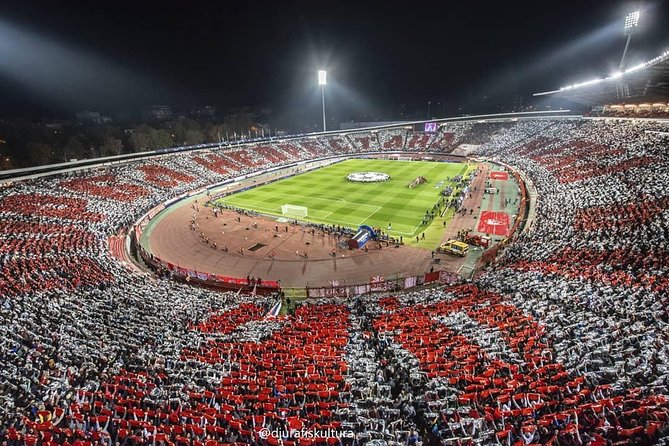
I would recommend it first to football fans, especially people interested in European club rivalries, supporter groups, stadium design, and the social side of sport. You do not need to support Red Star or Partizan, but you should be curious about football culture.
It also suits visitors who want to see Belgrade through local loyalties rather than standard sightseeing. Dorcol and Senjak provide a different view of the city, and the murals offer details you could easily miss while walking alone.
You may want to skip it if you dislike walking, have no interest in football, or want a relaxed museum morning. The schedule moves through several places, and the subject includes fierce fan groups and their social influence. It is engaging, but it is not a light, generic city tour.
The experience is offered in English, service animals are allowed, and it is near public transportation. Most people can take part. The tour requires good weather, and poor conditions can lead to a different date or a full refund.
Booking and cancellation advice
You receive confirmation when you book, and free cancellation is available up to 24 hours before the 10:00 am start time. Canceling less than 24 hours ahead does not qualify for a refund, and changes made inside that period are not accepted.
Since the route includes outdoor walking, check the forecast before the cancellation deadline. Wear comfortable shoes and leave room in your morning schedule for the full three to four hours.
Should you book the Red Star and Partizan tour?
Book it if you want football explained through Belgrade’s streets, not just displayed behind glass. The combination of Dorcol’s Partizan murals, Senjak’s old Red Star graffiti, Marakana’s museum, and Partizan’s pitch gives you a clear look at both sides of the rivalry.
I would be especially keen to book if the 1991 European Cup trophy matters to you or if you want a guide who can help arrange more football during your stay. Andrija’s personal assistance with later matches shows how the right guide can turn a scheduled tour into a wider local experience.
Skip it if you want only a conventional stadium visit or a broad city overview. For the right audience, though, this is a focused and memorable way to understand why football occupies such a large place in Belgrade life.
FAQ
Where does the football tour start?
It starts at Student Park, Studentski trg 16, Belgrade 11000, Serbia.
What time does the tour begin?
The stated start time is 10:00 am.
Where does the tour end?
The experience ends back at the meeting point in Student Park.
How long does the tour last?
The tour lasts approximately three to four hours.
Which neighborhoods are included?
The tour visits Dorcol, associated with Partizan supporters, and Senjak, associated with Red Star supporters.
Which stadiums are included?
You visit Red Star Belgrade Stadium, also called Marakana, and Partizan Stadium.
Is the Red Star museum included?
Yes. The Red Star museum is located within the stadium, and the same admission allows you to see both the stadium attraction and museum.
Is cancellation free?
You can cancel for a full refund up to 24 hours before the experience start time. Cancellations made less than 24 hours ahead are not refunded.
Just added around Belgrade
- Private Wine Tasting by Party in Belgrade★ 5.0 · 3 reviews
- Private Walking Tour of Belgrade and Old Zemun★ 5.0 · 3 reviews
- E-Scooter Serbian Food Tour★ 5.0 · 3 reviews
- Belgrade: The White Emigration in Serbia in the Wake of the Russian Revolution★ 5.0 · 3 reviews
- Feel Belgrade Welcome tour★ 4.5 · 3 reviews
- Zica and Studenica monastery From Belgrade★ 5.0 · 3 reviews
- Belgrade Private Driving & Walking Tour★ 5.0 · 4 reviews
- Belgrade Fashion and Design Tour – Discover Local Designers★ 5.0 · 4 reviews
Historical Tours, compared.



Full-Day Private Royal Heritage Tour to Oplenac With a Winery Visit
Read our review →Browse the lists this tour appears in