Reviewed · TOURS
Urban & Alternative Belgrade tour
Belgrade changes after sunset. This 3 to 4-hour walking tour connects old streets, street art, creative spaces, and former industrial sites in a way that gives you a useful feel for modern Serbian life. I especially like the route’s contrast between elegant Geozavod and the rougher energy of Cetinjska, plus the included visit to Belgrade’s Car Museum. The main consideration is pace: you need moderate fitness for several hours on foot, and a group of up to 50 people may feel large.
I also like that the walk ends in Cetinjska, where you can continue your evening without retracing your steps. Marija is praised for friendly explanations and practical suggestions for the rest of a visit, a valuable touch when you want more than a set speech. The $46.30 price is reasonable if you value local context and nightlife tips, but less so if you only want major monuments.
In This Review
- Key things to know before booking
- Why this Belgrade walk feels different
- Starting at Geozavod in Savamala
- Walking back through Kosančićev Venac
- Students’ Park and the approach to Dorćol
- Čumićevo sokače and the Car Museum
- The evening finish at Cetinjska
- What the $46.30 price buys you
- Practical details that affect your evening
- Who should book this experience
- Should you book the Urban and Alternative Belgrade tour?
- FAQ
- How long does the Urban and Alternative Belgrade tour last?
- Where does the tour begin?
- Where does the tour finish?
- Is admission to the Car Museum included?
- What time does the experience operate?
- Can I cancel for a full refund?
Key things to know before booking
- Geozavod sets the tone: Begin in Savamala, where grand architecture and newer creative venues share the same streets.
- Kosančićev Venac feels like old Belgrade: Cobblestones, oak trees, and traditional street lamps provide a sharp contrast to the city’s newer districts.
- The Car Museum is included: Admission to this small but distinctive collection comes at no extra cost.
- Cetinjska is the finale: The tour finishes among more than 20 bars, clubs, and coffee shops in a former beer-industry area.
- The evening timing matters: Tours run from 5:00 PM to 8:30 PM, making this a natural introduction to Belgrade after dark.
- You receive more than sightseeing: The guide offers ideas for places to eat, drink, and explore during the rest of your stay.
Why this Belgrade walk feels different
Many city tours in Belgrade focus on Kalemegdan Fortress, Republic Square, and the main pedestrian center. This experience takes another route. You still see historic streets, but the main subject is how Belgrade’s old buildings now share space with artists, designers, bars, and independent businesses.
That makes the walk useful early in your stay. You get a quick orientation to several districts, then leave with a better sense of where you might want to return. The guide’s local suggestions are part of the value, especially if you have more than one night in the city.
The tour is conducted in a group, with a maximum of 50 people. That limit is manageable for a walking route, though it is not the intimate feel of a private walk. If you prefer frequent questions and close contact with a guide, ask about group size when booking.
The route lasts roughly three to four hours and operates from 5:00 PM to 8:30 PM. That timing lets you see the city shift from afternoon sightseeing to evening social life. It also means you should wear comfortable shoes and plan for a full stretch of walking before settling into dinner or drinks.
Trips other travellers in Belgrade book alongside this one:
- Northern Serbia: Sremski Karlovci and Novi Sad Full-Day Tour from Belgrade
★ 5.0 · 425 reviews - Day Trip from Belgrade: Gems of Eastern Serbia
★ 5.0 · 424 reviews - Belgrade Nightlife Bar Pub Club Crawl with Drinks
★ 5.0 · 277 reviews
Starting at Geozavod in Savamala
The meeting point is Salon 1905 at Karađorđeva 48. From there, the walk begins in Savamala, an area where traditional Belgrade meets newer creative activity.
The first major sight is Geozavod, also known as the Belgrade Cooperative. It is one of the city’s most striking buildings, and it gives the opening section a strong architectural focus. Rather than treating the building as an isolated photo stop, the guide uses it to explain how Savamala has changed and how older structures now sit beside newer venues.
That context matters. Belgrade’s alternative culture is not confined to one purpose-built arts quarter. It appears in former commercial buildings, old industrial sites, and streets that have taken on new uses. Savamala helps you see that change from the start.
You can expect about 30 minutes here. Admission is free, so this stop is less about a formal museum visit and more about the setting, architecture, and explanation. The drawback is that the tour description does not promise entry inside every building or creative venue. The value comes from seeing the neighborhood with a guide who can explain what you are looking at.
Walking back through Kosančićev Venac
Kosančićev Venac provides one of the clearest shifts in mood. The district is described as a glimpse of what Belgrade looked like 150 years ago, with cobblestone streets, romantic streetlights, and old oak trees.
This is the sort of place where a local guide adds real value. On your own, you can admire the atmosphere, but you may not understand how unusual it is to find such a preserved-feeling quarter so close to newer parts of central Belgrade. The route gives you time to slow down and notice the street pattern rather than simply rushing between famous sights.
I like this section because it keeps the tour from becoming a parade of trendy bars and murals. You get a historic neighborhood, but the emphasis remains on atmosphere and urban change rather than a long lecture about dates and rulers.
Cobblestones can make walking more tiring, particularly after several hours on foot. Comfortable shoes are important here. The tour requires a moderate level of fitness, and that is worth taking seriously if you have mobility concerns or dislike uneven surfaces.
Students’ Park and the approach to Dorćol
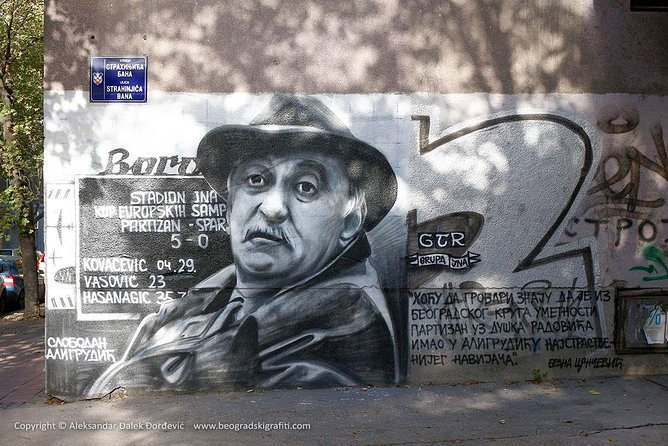
The walk continues through Students’ Park, a popular place for sharing ideas or having a beer. It is also a transition point before the group heads into Dorćol.
This stop sounds simple, but it captures the social side of the tour. You are not only being shown buildings. You are being shown where people gather, talk, and spend unhurried time outdoors. That kind of local detail can help you read the city better than another list of monuments.
Dorćol is presented as one of Belgrade’s essential districts. It is known for craftsmen, restaurants, and bars, and is sometimes compared with Manhattan because of its central location and active street life. That comparison should not make you expect New York-style scale. The useful point is that Dorćol is a key urban meeting place, with older working traditions alongside newer food and nightlife businesses.
The guide’s recommendations become especially useful around here. If you want to know where to return later, this is a good point to ask for suggestions. The experience promises personalized advice for the rest of your visit, and the positive feedback about Marija specifically highlights clear explanations and extra tips.
Something different for your next free day:
- Taxi to/from Belgrade Airport to/from Belgrade City Center
★ 5.0 · 241 reviews - Belgrade Big Tour: Top Attractions and Belgrade Neighborhoods
★ 5.0 · 232 reviews - Along the Danube: Golubac Fortress & Iron Gate Gorge day trip from Belgrade
★ 4.5 · 185 reviews - From Belgrade: Golubac Fortress & Iron Gate Danube Gorge
★ 4.8 · 185 reviews
Čumićevo sokače and the Car Museum
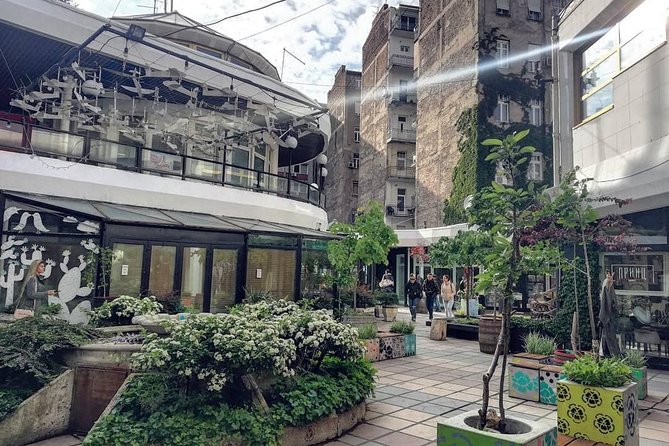
Čumićevo sokače was once a shopping mall that opened in 1990. Today, the area is becoming a mix of art galleries and modern design shops.
That change gives the stop its purpose. You are seeing a commercial space find a new role through art and design. It is a good match for the tour’s larger theme: Belgrade’s alternative culture often grows through adaptation rather than polished redevelopment.
The area may appeal most to you if you enjoy independent design, small galleries, and creative spaces more than traditional museum collections. Since the district is still changing, the exact mix of shops and galleries can vary. You should treat it as a snapshot of the city’s current creative scene, not a guaranteed shopping list.
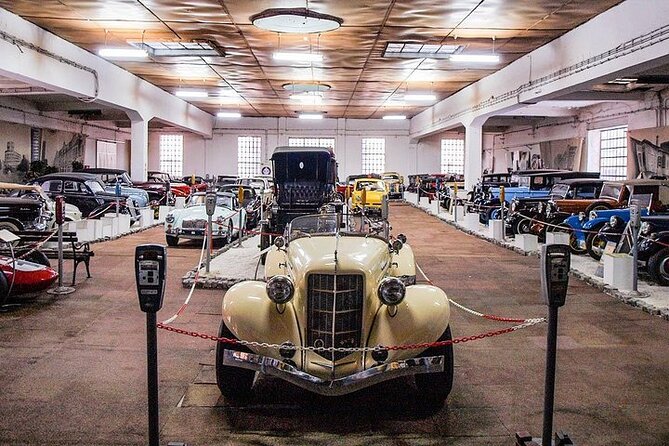
After Čumićevo sokače, you visit the Car Museum, located in the city’s first modern garage. Admission is included, which strengthens the value of the tour. The museum adds an unexpected subject to an otherwise architectural and cultural walk.
The car collection is not presented as a separate full-day attraction. You should expect a short, focused visit that fits into the walking route. For car enthusiasts, it may be a highlight. For everyone else, the appeal is the building and the unusual story of a former garage becoming a museum.
The evening finish at Cetinjska
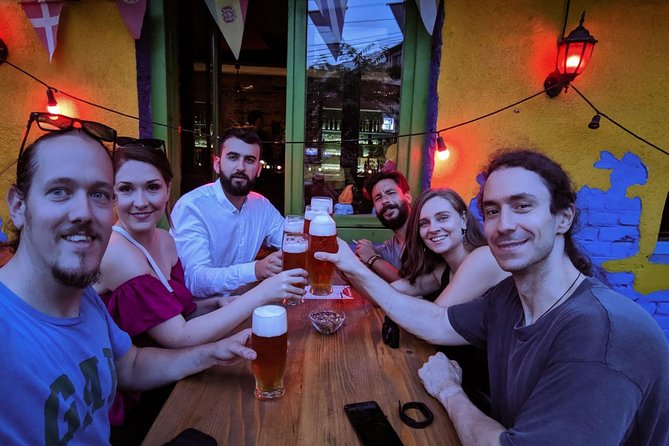
Cetinjska is the final stop and one of the strongest reasons to choose this route. More than 20 clubs, bars, and coffee shops occupy a district that was once part of Belgrade’s beer industry.
The area was abandoned in the mid-2000s and later became a nightlife center. That history gives the neighborhood more character than a purpose-built entertainment complex. Former industrial halls now serve as places for music, drinks, and socializing.
Ending here is practical. You finish in one of the city’s liveliest evening areas, so you can stay for a drink or continue to dinner nearby. You do not need to find your way back to the starting point, and the tour does not end at an isolated monument after dark.
The atmosphere may not suit everyone. If you want a quiet final stop or an early night, Cetinjska can feel like too much stimulation. The tour ends here rather than arranging your evening for you, so your next step is up to you.
I would use the guide’s recommendations before separating from the group. Ask which bars suit a relaxed drink, which places focus more on music, and which nearby options work for food. The tour is designed to give you that kind of practical local direction.
What the $46.30 price buys you
At $46.30 per person, this is not the cheapest way to walk around central Belgrade. You could visit many streets and public areas without paying for admission. The question is what you are buying beyond access.
You are paying for a planned route across several distinct neighborhoods, explanations about how those areas have changed, a guide’s local suggestions, and entry to the Car Museum. You also avoid spending time trying to connect Savamala, Kosančićev Venac, Dorćol, Čumićevo sokače, and Cetinjska on your own.
The price makes the most sense if you are new to Belgrade and want a fast introduction to its creative and social side. It is also useful if your visit is short and you want an evening activity that combines sightseeing with ideas for later.
The value is weaker if you already know these neighborhoods or mainly want major landmarks. This is not a fortress tour, a formal art tour, or a food tasting. Its strength is local character and context.
Group discounts are available, and the tour is booked an average of 23 days ahead. That lead time suggests you should reserve early if your dates are fixed, especially during busy periods. Confirmation arrives at booking, and free cancellation is available up to 24 hours before the start time. A cancellation inside that final 24-hour window is not refundable.
Practical details that affect your evening
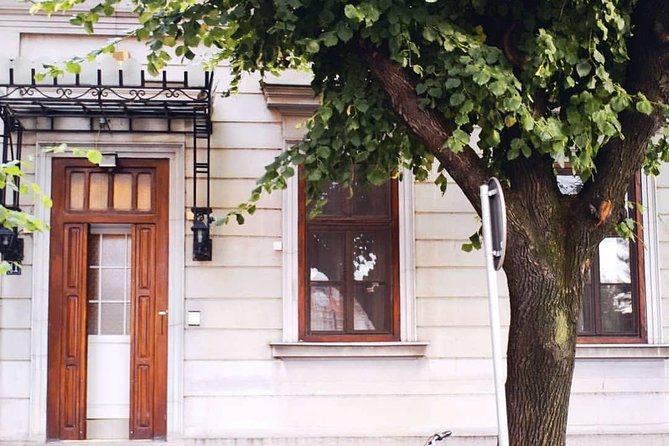
The tour starts at Salon 1905, Karađorđeva 48, Belgrade 11000, and ends at Cetinjska. Both the start and finish are in Belgrade, with the end point positioned for continued evening activity.
The route is near public transportation, which makes getting to the start easier. The supplied details do not specify a particular bus, tram, or train connection, so check the current local route planner before setting out.
Service animals are allowed. The activity requires moderate physical fitness, and you should expect several hours of walking through historic streets and urban districts. Cobblestones in Kosančićev Venac may be tiring, and the full route could feel long if you are not used to extended city walks.
The maximum group size is 50. That is large enough that the guide may need to keep moving and repeat information. On the positive side, a group walk can suit solo visitors who want a structured evening and an easy way to hear local suggestions.
The experience is offered Monday through Sunday during the stated operating period, from November 2, 2019, through June 16, 2026. The listed time window is 5:00 PM to 8:30 PM. Check the confirmed start time carefully, since the route lasts approximately three to four hours.
Who should book this experience
I would recommend this tour to first-time visitors who want Belgrade beyond its standard postcard sights. You will get old streets, new creative spaces, public gathering places, art galleries, an unusual museum, and a nightlife district in one outing.
It also suits solo visitors and couples who want a ready-made evening plan. The route ends where you can continue on your own, and the guide’s suggestions can help shape the rest of your stay.
Art and design fans should pay attention to Savamala and Čumićevo sokače. History-minded visitors may prefer Kosančićev Venac and the former beer-industry setting at Cetinjska. Car enthusiasts have an extra reason to book because museum admission is included.
I would be more cautious if you dislike walking, uneven streets, nightlife areas, or group tours. The route is not built around long indoor visits, and it does not promise entry to every creative venue. Its appeal comes from moving through the city and understanding how different districts function.
Should you book the Urban and Alternative Belgrade tour?
Book it if you want a lively orientation to Belgrade’s less traditional side and appreciate a guide who can connect architecture, street art, creative businesses, and nightlife. The strongest features are the varied route, the included Car Museum, and the finish at Cetinjska.
Skip it if your priority is a private experience, famous monuments, or a relaxed pace with little walking. At $46.30, the tour earns its price through local explanation and useful evening advice, not through expensive attractions. Reserve ahead if your schedule is fixed, wear sturdy shoes, and arrive ready to ask Marija or your guide where to go next.
FAQ
How long does the Urban and Alternative Belgrade tour last?
The tour lasts approximately three to four hours.
Where does the tour begin?
It begins at Salon 1905, Karađorđeva 48, Beograd 11000, Serbia.
Where does the tour finish?
The tour ends on Cetinjska Street in Belgrade.
Is admission to the Car Museum included?
Yes. The tour includes complimentary admission to the Car Museum.
What time does the experience operate?
The listed operating hours are Monday through Sunday from 5:00 PM to 8:30 PM.
Can I cancel for a full refund?
Yes, if you cancel at least 24 hours before the experience start time. Cancellations made within 24 hours are not refunded.
Just added around Belgrade
- Private Walking Tour of Belgrade and Old Zemun★ 5.0 · 3 reviews
- Private Wine Tasting by Party in Belgrade★ 5.0 · 3 reviews
- E-Scooter Serbian Food Tour★ 5.0 · 3 reviews
- Belgrade: The White Emigration in Serbia in the Wake of the Russian Revolution★ 5.0 · 3 reviews
- Zica and Studenica monastery From Belgrade★ 5.0 · 3 reviews
- Belgrade Private Driving & Walking Tour★ 5.0 · 4 reviews
- Feel Belgrade Welcome tour★ 4.5 · 3 reviews
- Belgrade Fashion and Design Tour – Discover Local Designers★ 5.0 · 4 reviews
Tours, compared.
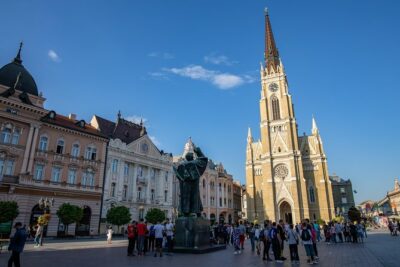
Sremski Karlovci and Novi Sad Full-Day Tour from Belgrade
Read our review →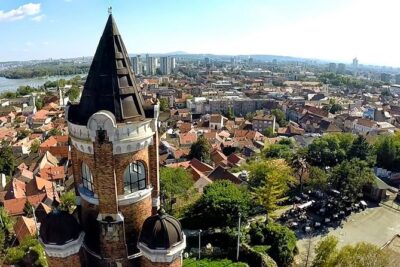
Belgrade Big Tour: Top Attractions and Belgrade Neighborhoods
Read our review →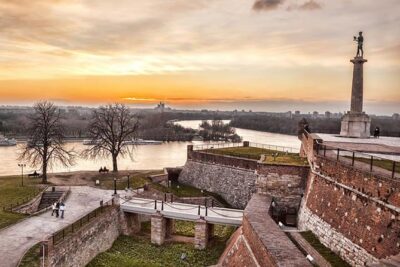
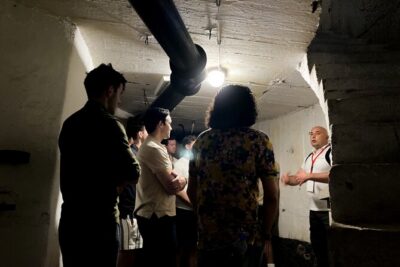
Belgrade Underground Tour w/ Sparkling Wine Along the River
Read our review →
Iron Gate NP Tour with 1-hour speedboat ride + 2 viewpoints
Read our review →
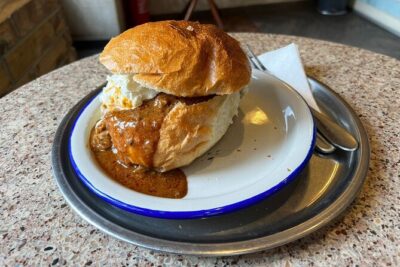
Culinary Tour – get to know the Serbian food. Come hungry!
Read our review →