
Reviewed · BELGRADE
Underground Secrets of Belgrade
Belgrade keeps its best stories below street level. This 2.5-hour tour links the Roman Well and Cold War bunker inside the Belgrade Fortress with the Barutana gunpowder cave and a 19th-century wine cellar. I like the variety of places packed into one outing, and I like the included glass of wine at the finish. The main concern is physical access: steep, narrow stairs, uneven ground, and some areas without handrails make this a poor fit for anyone unsteady on their feet.
The tour costs $24.06 per person, which is fair for several included admissions, a professional English-speaking guide, and a small-group limit of 20 people. Your experience may depend heavily on the guide assigned. Michael earned praise for bringing Belgrade’s past to life, while Stefan was noted for clear general explanations. One important caution: a separate experience included very basic English, so ask questions if you are having trouble following the story.
In This Review
- Key things to know before booking
- Why Belgrade’s underground makes a good history tour
- Starting at Republic Square and reaching the fortress
- The 51-meter Roman Well inside Belgrade Fortress
- The unused Cold War bunker from the mid-1950s
- Barutana, the 16th-century gunpowder cave
- Karađorđeva’s old food caves and wine cellar
- What the $24.06 price really buys you
- Guide quality can shape the whole experience
- Physical effort, timing, and who should book
- Should you book Underground Secrets of Belgrade?
- FAQ
- Where does the tour begin?
- Where does the tour end?
- How long does Underground Secrets of Belgrade last?
- How much does the tour cost?
- What language is the tour offered in?
- What is included in the price?
- Is the wine included at every stop?
- How many people can join the tour?
- Is the tour suitable for everyone?
- Can I cancel for a full refund?
Key things to know before booking
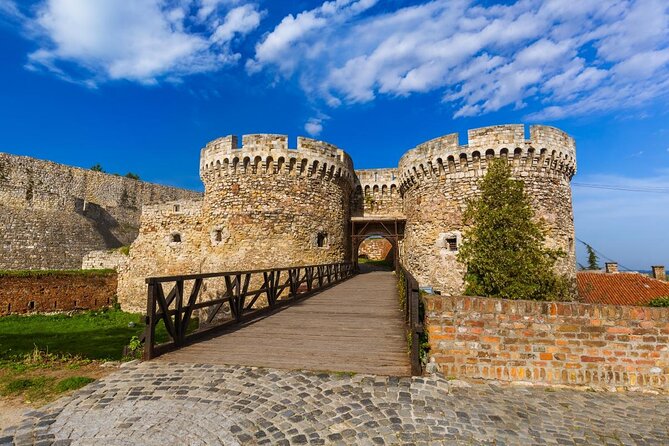
- The Roman Well reaches 51 meters underground: Two spiral staircases meet around 35 meters below ground, creating an unusual DNA-like form.
- The Cold War bunker was never used: This mid-1950s military shelter gives the fortress visit a modern political edge.
- Barutana is a 16th-century man-made cave: Its Lapidarium displays Byzantine and Roman sarcophagi, gravestones, and statues.
- The tour ends with free wine: The final stop is a 19th-century wine cellar at Vinarija on Karađorđeva Street.
- Expect difficult footing: Narrow stairs, steep sections, and uneven surfaces are part of the experience, with no guarantee of handrails.
- The group can reach 20 people: That is manageable, but hearing the guide may be harder in underground rooms if you stand too far away.
Why Belgrade’s underground makes a good history tour
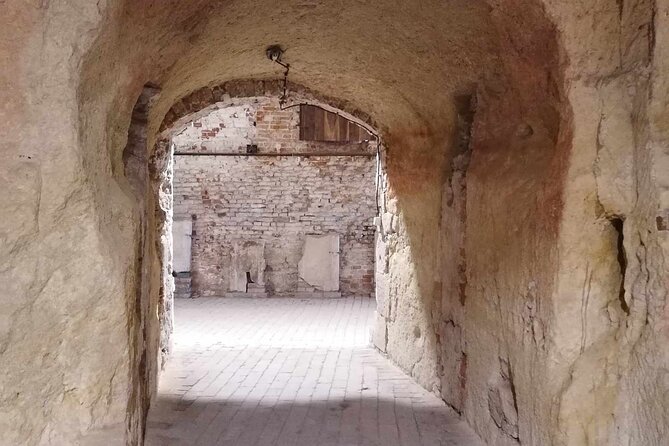
Belgrade’s position at the meeting point of the Sava and Danube rivers has made it a prize for armies and rulers. The fortress above ground tells part of that story, but the underground rooms show how people stored supplies, built defenses, and prepared for threats that never arrived.
I like this tour because it does not spend the whole time in one museum room. You move between very different places: a baroque-era well, a Cold War bunker, a former gunpowder storehouse, and old food and wine storage spaces. Each stop has a separate mood.
The experience is also fairly compact. The listed visits add up to about two hours and 15 minutes, with the full outing lasting roughly two hours and 30 minutes. That leaves enough time for explanation without taking up an entire day in Belgrade.
Still, this is not a gentle city stroll. Underground sites often have awkward access, and this outing is no exception. You should be comfortable with stairs and rough surfaces before booking. If you have hearing difficulty, stay close to the guide because the group does not use an audio system.
Trips other travellers in Belgrade book alongside this one:
- Northern Serbia: Sremski Karlovci and Novi Sad Full-Day Tour from Belgrade
★ 5.0 · 425 reviews - Day Trip from Belgrade: Gems of Eastern Serbia
★ 5.0 · 424 reviews - Belgrade Nightlife Bar Pub Club Crawl with Drinks
★ 5.0 · 277 reviews
Starting at Republic Square and reaching the fortress
The tour begins at Republic Square, at Trg republike 3. This central meeting point is near public transportation, making it a practical start for a day of sightseeing.
The route then moves toward the Belgrade Fortress. The walk between locations is part of the outing, but the amount of general explanation during those walks can vary. One guide received praise for focusing closely on the underground sites, while a separate comment wished for more information about the surrounding streets and city views during the transfers.
That is useful to know if you want a broad introduction to Belgrade. This experience is mainly about what lies beneath the fortress and along Karađorđeva Street, not a full walking tour of the city center. You will get the most from it if you already have a basic sense of Belgrade or plan to pair it with a separate above-ground city walk.
The group size is capped at 20 people. That is small enough for a personal feel in many situations, though underground chambers can make it harder to hear. I would arrive early, meet the guide promptly, and position myself near the front once the group enters each site.
The 51-meter Roman Well inside Belgrade Fortress
The Roman Well is the most dramatic stop for many people. It was built at the start of the 18th century, during the fortress’s baroque reconstruction, and drops 51 meters below ground. The well measures about three meters across.
Its unusual design is part of the appeal. Two spiral staircases connect at a depth of roughly 35 meters, creating a shape that resembles a strand of DNA. You are not simply looking down at an old shaft. The structure gives the site a strange visual quality and makes the engineering easier to understand.
The well also has a theatrical connection. Alfred Hitchcock visited in 1964 and described an environment like this as a treat for him. That detail suits the place. The tight staircases and deep vertical shaft give the Roman Well a feeling of suspense without needing much decoration.
Your guide’s explanation matters here. A strong guide can turn the well from an impressive hole into a lesson about fortress construction, water access, and the long military importance of Belgrade. Michael, in particular, was praised for his enthusiasm and for continuing to explain the fortress’s past throughout the visit.
The drawback is the physical layout. The stairs are steep and narrow, and conditions can feel demanding for anyone with limited balance or stamina. There is no stated guarantee of handrails, and one older couple found the route very difficult because of the stairs and uneven ground. That warning should be treated seriously, not as a minor footnote.
The unused Cold War bunker from the mid-1950s
The bunker adds a sharp change in time. After the older fortress structures, you move into the mid-1950s and the Cold War period.
This bunker was built for military use but was never used for its original purpose. That fact gives the stop a particular interest. You are seeing a place designed for an expected crisis that did not unfold there, rather than a battlefield relic shaped by actual combat.
I appreciate the contrast. The Roman Well belongs to an earlier age of walls, water, and fortress defense. The bunker reflects a world of military planning, political tension, and modern weapons. Together, the two stops show how Belgrade kept adapting its defenses as threats changed.
The bunker is likely to appeal most to you if you enjoy 20th-century political history as much as ancient sites. If you want only Roman or medieval remains, this section may feel less visually impressive. Its value comes from the story and the shift in era.
Listen closely when the guide speaks. The lack of audio equipment can be a real issue in enclosed spaces, especially if the group spreads out. Guides such as Michael and Stefan have received praise for their explanations, but even a strong speaker cannot overcome distance and background noise completely.
Something different for your next free day:
- Taxi to/from Belgrade Airport to/from Belgrade City Center
★ 5.0 · 241 reviews - Belgrade Big Tour: Top Attractions and Belgrade Neighborhoods
★ 5.0 · 232 reviews - Along the Danube: Golubac Fortress & Iron Gate Gorge day trip from Belgrade
★ 4.5 · 185 reviews - From Belgrade: Golubac Fortress & Iron Gate Danube Gorge
★ 4.8 · 185 reviews
Barutana, the 16th-century gunpowder cave
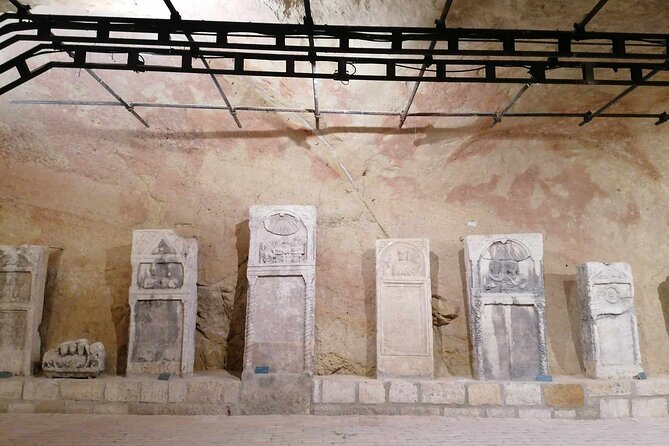
Barutana is a man-made cave that served as an Austrian gunpowder storehouse in the 16th century. Its purpose gives it a rough military character, but the visit also includes a display room known as the Lapidarium.
Here you can see Byzantine and Roman sarcophagi, gravestones, and statues. That collection adds an archaeological layer to the stop. Instead of visiting a storage space with no objects inside, you get a chance to examine stone remains connected to earlier cultures in the region.
This is where the tour’s mix of subjects works well. The Roman Well shows fortress engineering. The bunker shows modern military preparation. Barutana links defense with archaeology, using a former gunpowder storehouse to present older stonework.
The 30-minute visit is long enough for a guided explanation without becoming tiring. Still, do not expect a large museum collection. The attraction is the combination of the cave and its stone displays, not a long series of galleries. If you want a major archaeology museum, this stop will feel limited. If you enjoy unusual settings, it adds real value to the route.
Again, the footing matters. Underground areas can include uneven surfaces, and the earlier warning about stairs applies to the tour as a whole. Wear practical shoes and avoid bringing anything that makes balancing harder.
Karađorđeva’s old food caves and wine cellar
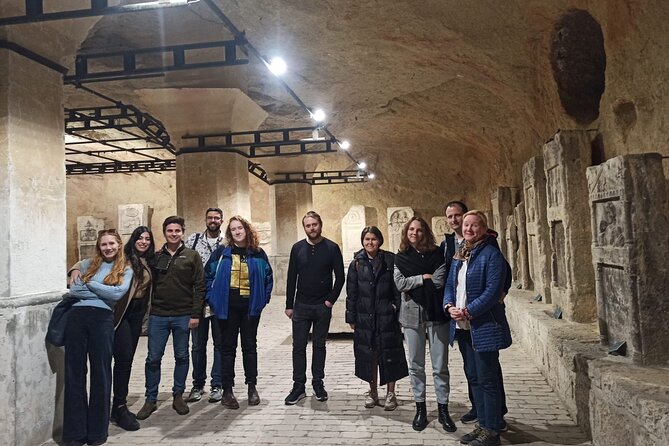
The final stop moves away from military defenses and into everyday storage. In Karađorđeva, the tour visits caverns where food was kept and a wine cellar dating from the 19th century.
This is a useful reminder that underground Belgrade was not used only for war. Cool storage spaces were practical for food and wine, and the cellar connects the city’s working past with its present wine culture.
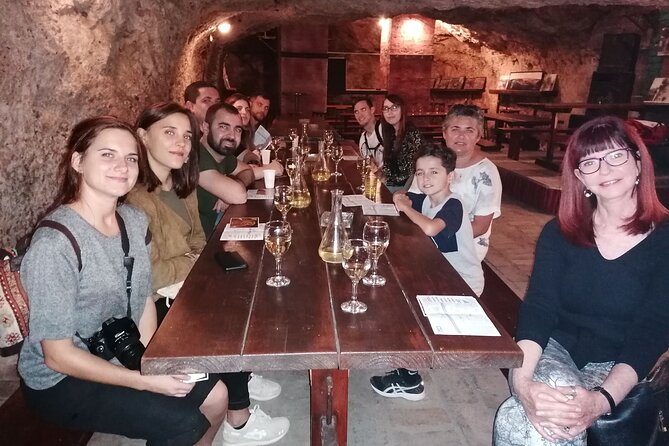
The tour ends at Vinarija, at Karađorđeva 31, close to Branko’s Bridge. A free glass of wine is included. It is a simple finish, but a good one. After stairs, stone rooms, and military stories, sitting down with a local drink gives the experience a social ending.
I would not book this tour solely for the wine. The included glass is a pleasant extra, not the main reason to pay the fee. But it improves the value, especially because entrance fees and the professional guide are also included.
The end point is different from the starting point. That matters when planning the rest of your day. You finish near Branko’s Bridge rather than returning to Republic Square, so check your onward route before you start.
What the $24.06 price really buys you
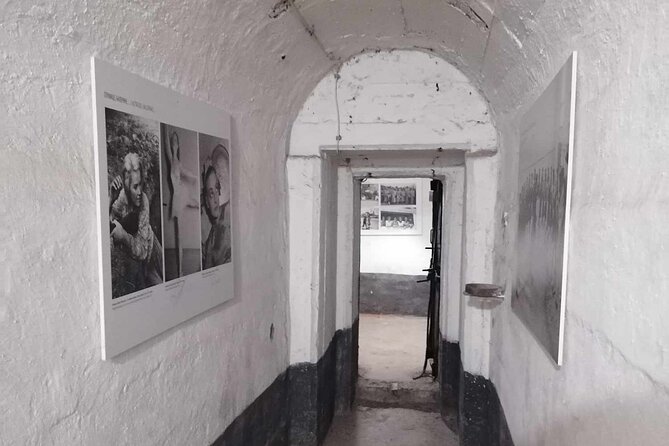
At $24.06 per person, the tour sits in a sensible range for a guided city experience lasting about two and a half hours. You receive entrance fees, a professional guide, and a glass of wine. You do not need to budget separately for admission to the three listed stops.
The value is strongest if you want context. You could perhaps see parts of Belgrade’s historic center on your own, but the Roman Well and bunker benefit from explanation. The Barutana collection also makes more sense when someone connects the objects and building to the city’s past.
The price is less attractive if you dislike underground spaces or cannot manage stairs. In that case, included admissions will not help much because the main value of the tour is access to these particular sites.
Group discounts are available, which may make the outing more appealing for families or friends traveling together. Personal expenses are not included, so plan to pay for anything beyond the provided wine.
Guide quality can shape the whole experience
This tour depends on the person leading it. The strongest guide comments praise enthusiasm, clear historical explanation, and a genuine interest in Belgrade. Michael was described as someone who kept supplying historical detail and clearly enjoyed sharing it. Stefan was praised for giving a useful general picture of the city.
That kind of energy matters in places that are visually spare. A bunker or storage cave may not explain itself. The guide must supply the political, military, and daily-life context that gives the rooms meaning.
There is also a realistic language caution. The experience is offered in English, but one participant understood less than half of the guide’s explanation because the English was very basic. That appears to be an occasional issue rather than a guaranteed feature, especially given the positive comments about other guides, but it is worth keeping in mind.
If you have questions, ask them early. Do not wait until the end if a point is unclear. Staying near the guide will also help, especially in the bunker and cave sections.
Physical effort, timing, and who should book
I would recommend this tour to adults and older children who enjoy history, unusual buildings, and stories about how cities protect and feed themselves. It is also a good choice if you have already seen Belgrade’s main streets and want a different angle on the city.
I would not recommend it for anyone who is uncomfortable on steep stairs or uneven ground. The route was especially difficult for people in their late 70s, and the absence of handrails in some areas created a serious problem. The tour description does not label it as difficult, so you need to make that judgment yourself.
Most people can participate according to the available information, but that broad statement should not override the specific warnings about footing and stairs. If you use a walking aid, have balance concerns, or need frequent rest, contact the provider before booking.
The timing is easy to fit into a day. You spend about one hour at the fortress, 30 minutes at Barutana, and 45 minutes in Karađorđeva, with the total listed at approximately two hours and 30 minutes. The tour begins at Republic Square and finishes near Branko’s Bridge, giving you a convenient chance to continue exploring the riverfront area afterward.
Should you book Underground Secrets of Belgrade?
Book it if you want a short, focused look at Belgrade’s underground spaces and can handle steep, narrow stairs. The Roman Well is the strongest visual stop, while the unused Cold War bunker and Barutana’s Lapidarium add useful variety. The old food caves and wine cellar provide a relaxed finish.
Skip it if you need step-free access, reliable handrails, or a fully amplified guide. Also think twice if you want a broad city tour with constant commentary about streets and buildings above ground.
For the right person, $24.06 is a good deal. You get several distinct sites, admissions, an English-speaking guide, and wine at the end. Just book with clear expectations: this is a history-focused underground walk, not an easy stroll, and the quality of the storytelling may vary by guide.
FAQ
Where does the tour begin?
The tour begins at Republic Square, Trg republike 3, in Belgrade.
Where does the tour end?
It ends at Vinarija, Karađorđeva 31, near Branko’s Bridge.
How long does Underground Secrets of Belgrade last?
The experience lasts approximately two hours and 30 minutes.
How much does the tour cost?
The listed price is $24.06 per person.
What language is the tour offered in?
The tour is offered in English.
What is included in the price?
Entrance fees, a professional tour guide, and a free glass of wine are included.
Is the wine included at every stop?
No. The free glass of wine is provided at the final stop in the 19th-century wine cellar.
How many people can join the tour?
The group can include a maximum of 20 people.
Is the tour suitable for everyone?
Most people can participate, but the route includes steep, narrow stairs and uneven ground. Some areas may not have handrails, so it can be difficult for older people or anyone with mobility concerns.
Can I cancel for a full refund?
Yes. You can cancel at least 24 hours before the experience begins for a full refund. Changes or cancellations made less than 24 hours before the start time are not accepted for a refund.
Just added around Belgrade
- Private Wine Tasting by Party in Belgrade★ 5.0 · 3 reviews
- Private Walking Tour of Belgrade and Old Zemun★ 5.0 · 3 reviews
- E-Scooter Serbian Food Tour★ 5.0 · 3 reviews
- Belgrade: The White Emigration in Serbia in the Wake of the Russian Revolution★ 5.0 · 3 reviews
- Zica and Studenica monastery From Belgrade★ 5.0 · 3 reviews
- Belgrade Private Driving & Walking Tour★ 5.0 · 4 reviews
- Feel Belgrade Welcome tour★ 4.5 · 3 reviews
- Novi Sad Saturday Full day trip★ 4.0 · 4 reviews